



Lower Quarter Neurodynamics I + II (Advanced) - Cabo - Michael Shacklock
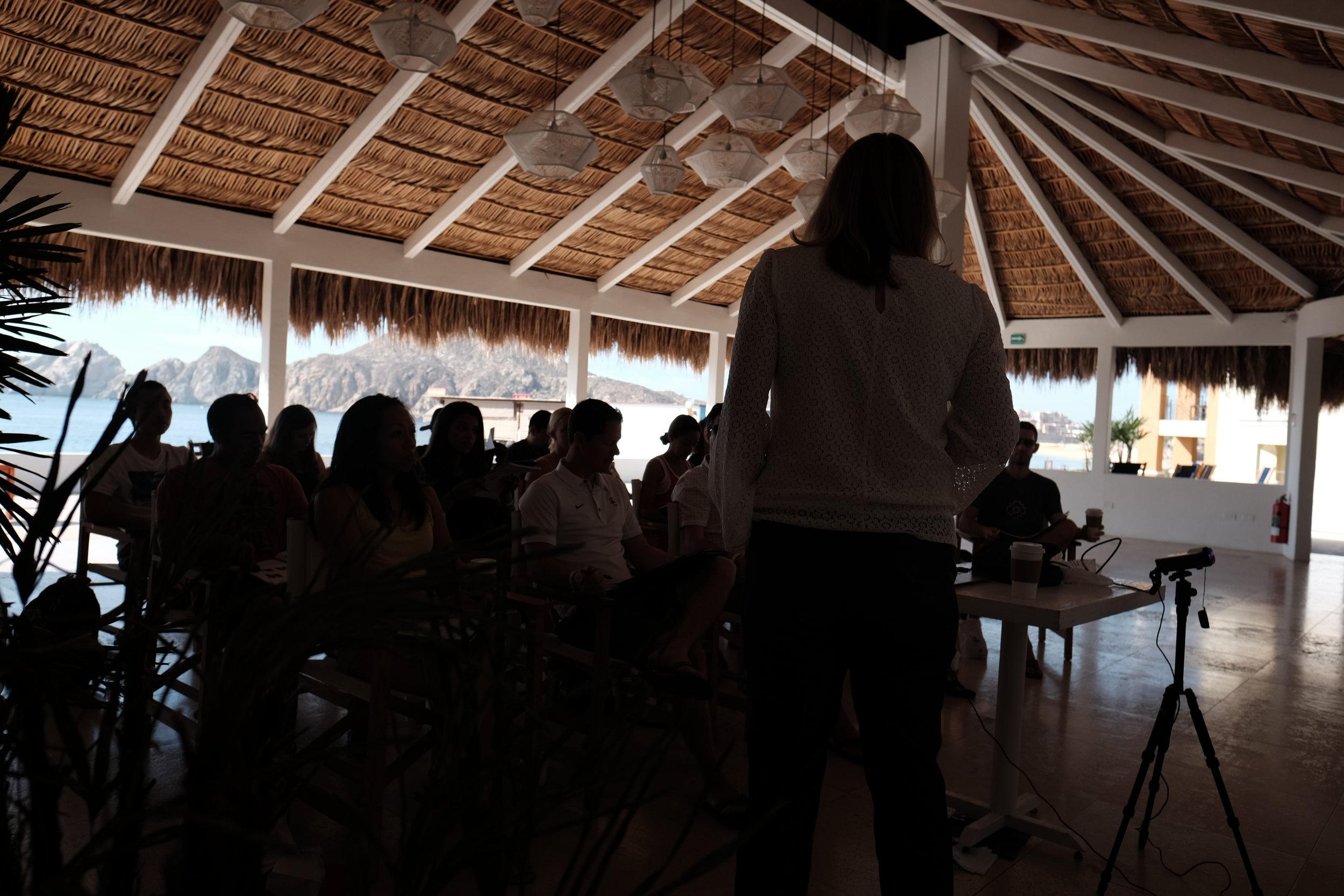
LOCATION - Cabo, Mexico
DATE - April 24th and 25th, 2027
COST : Elite $ 2095 - includes 2 nights Bahia Hotel 4/23 & 4/24
CEUS - 30 contact hours / 3.0 CEUs
California: Our organization is an approved provider of continuing education for Physical Therapists and Physical Therapist Assistants in California (CA) by CEUapproval.com, LLC, a recognized approval agency of the Physical Therapy Board of CA.
Courses approved by other state boards in the following jurisdictions are likely accepted for licensure credit based on the state regulation:
AL | AK | AR | CO | CT | DE | GA | HI | ID | IN | IA | KS | KY | ME | MA | MI | MO | MT | NE | NH | NC | ND | OR | PA | RI | SC | SD | UT | VT | VA | VI | WA | WI | WY
Please reach out to your state licensing board to confirm the currency and accuracy of this information. If you have a specific question about CEU approval for this course in your state, please direct your inquiry to info@ceuapproval.com.
Massacussetts Pending.
Course level : Beginner.
What’s included - 2 nights Bahia Hotel 2 days online course (prior to course) 2 days Live course Sur Beach Club, Cabo, Mexico. Electronic Course handouts, American Breakfast / Lunch and Networking Happy Hour with Michael Shacklock
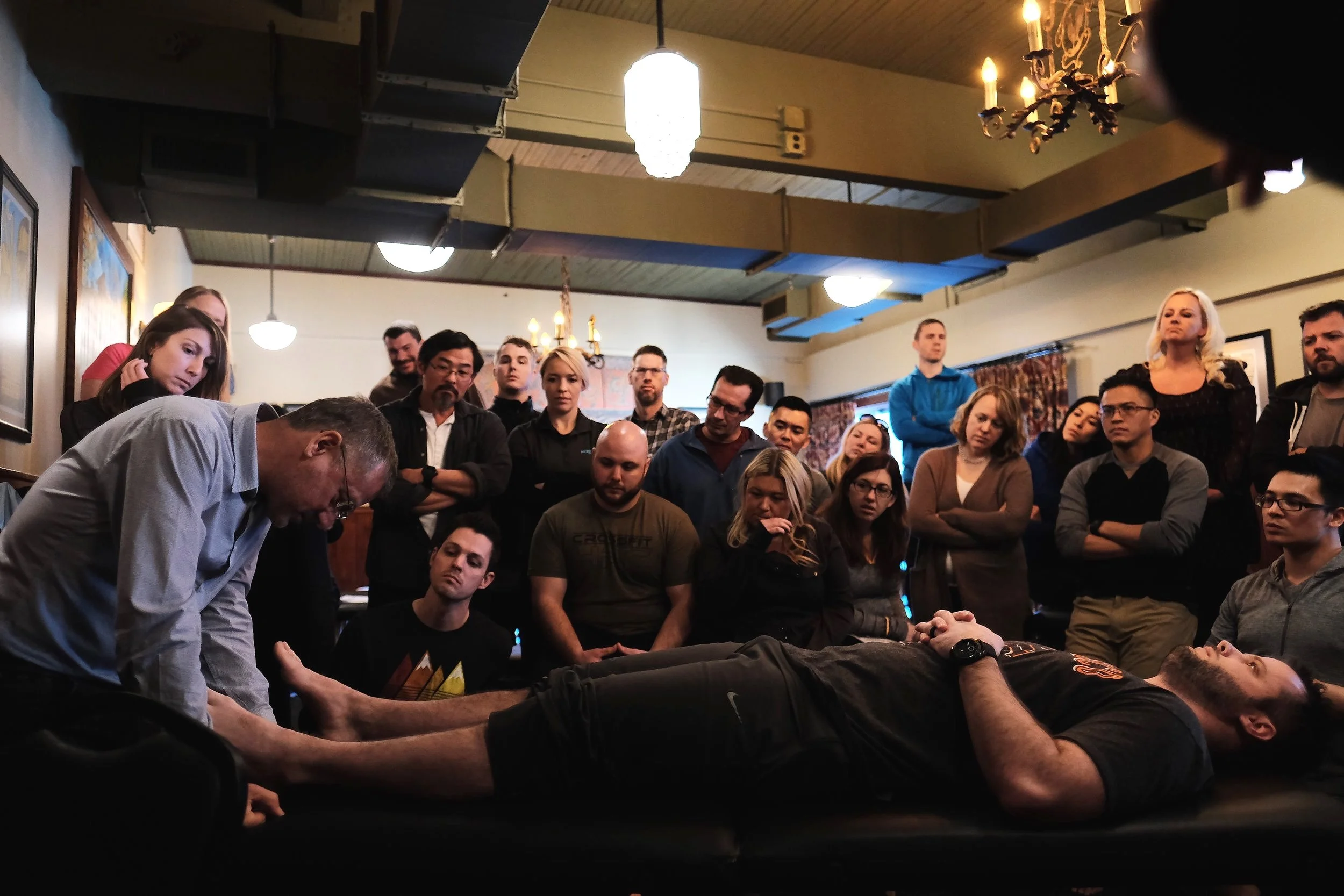
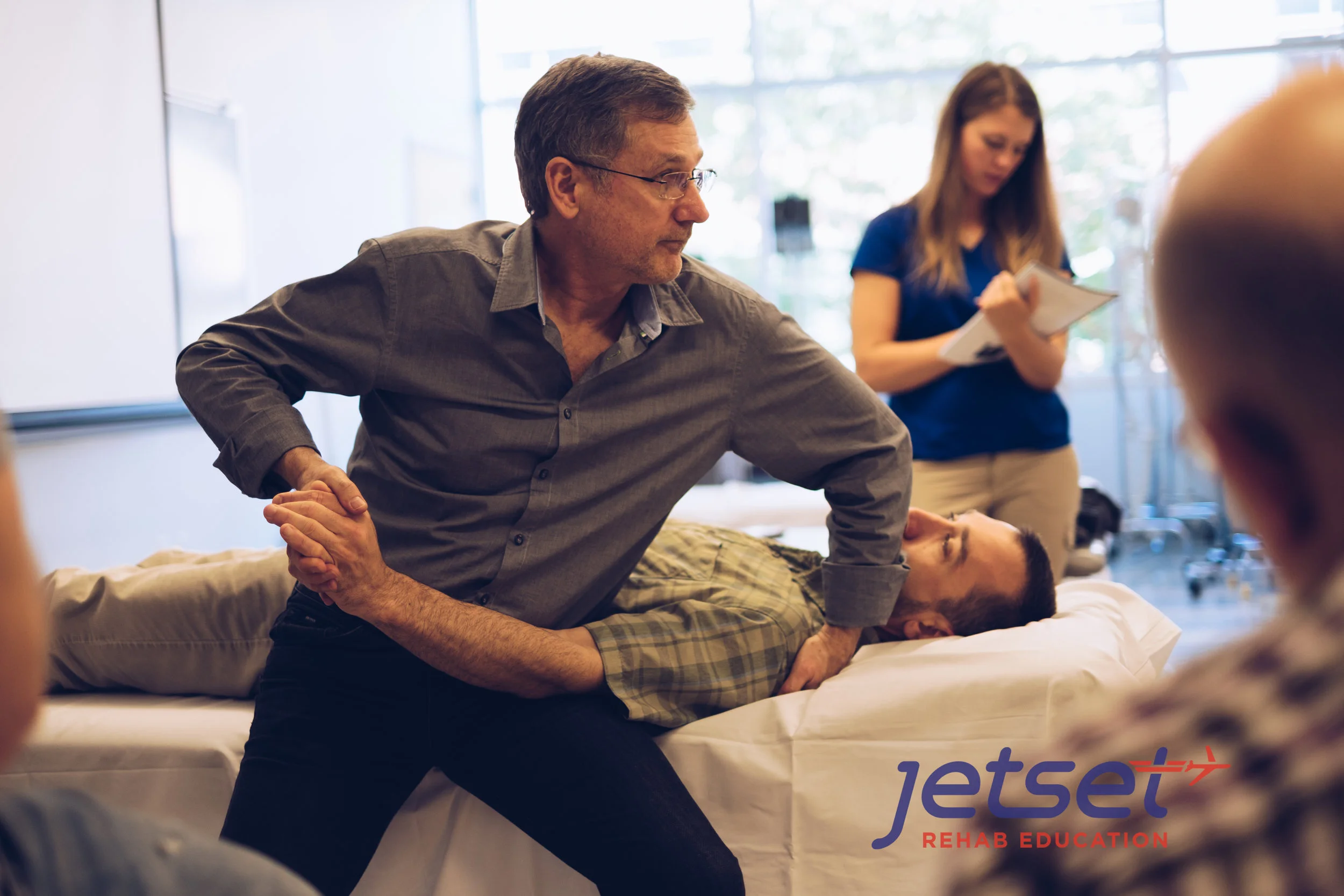
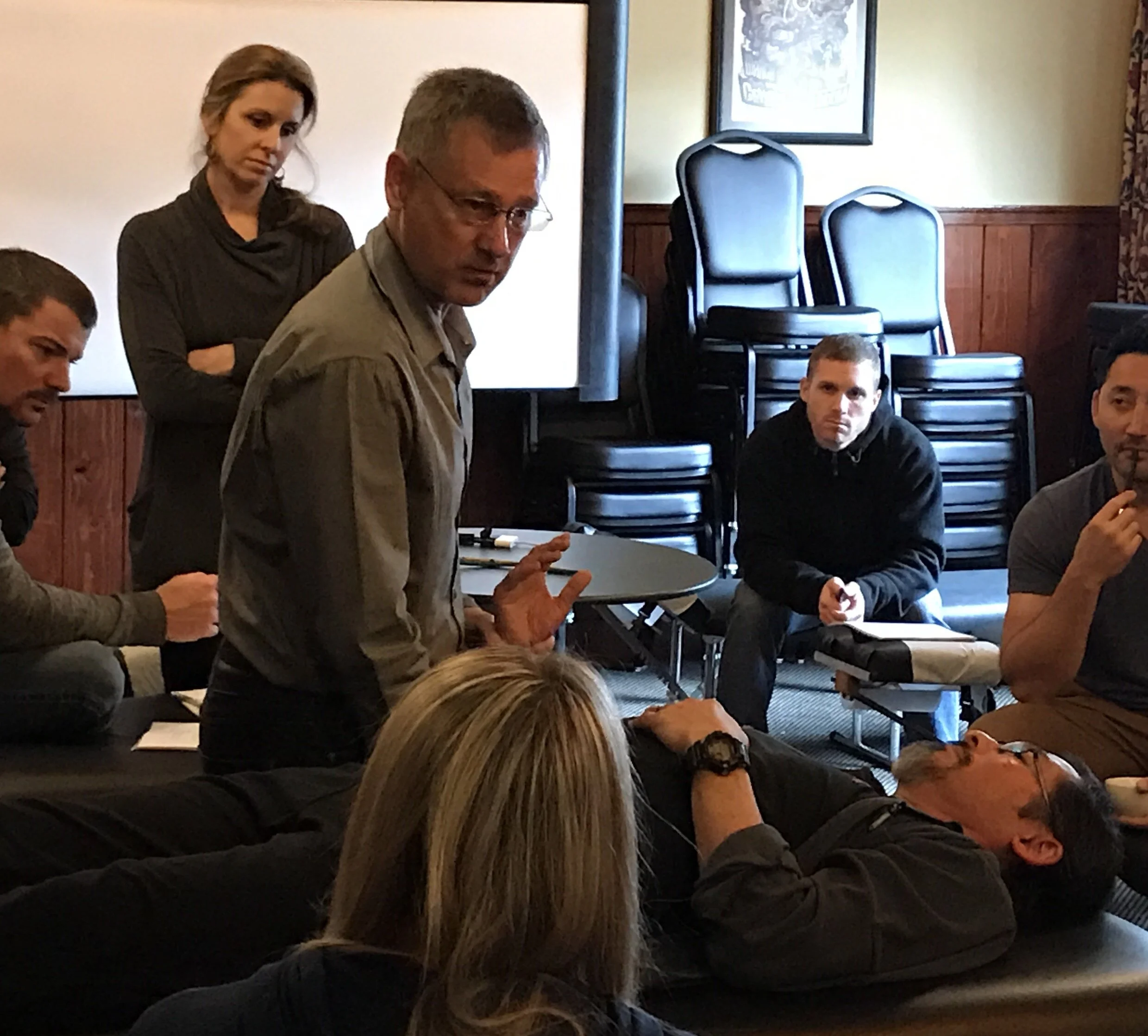
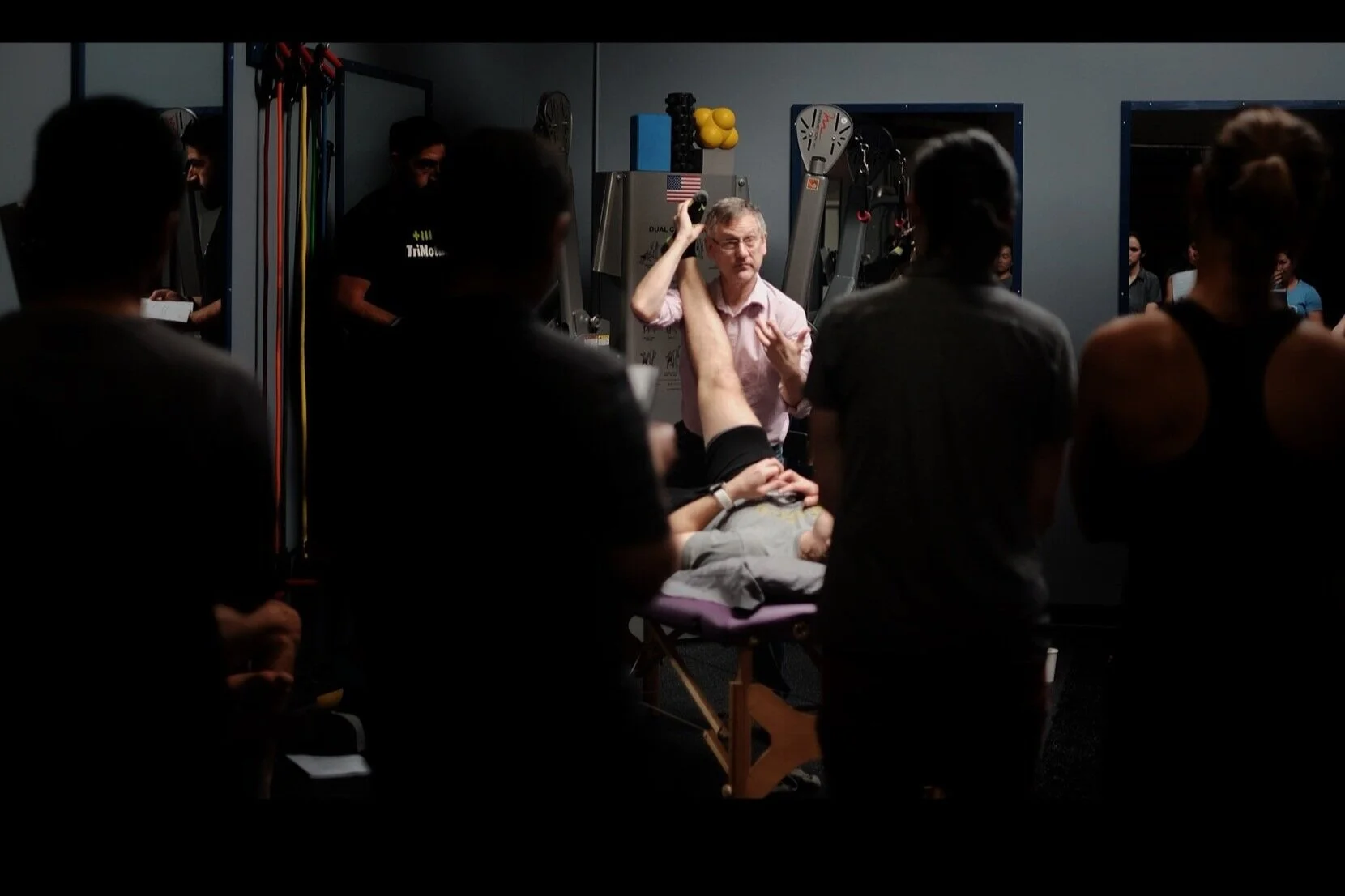
This practical Lower quarter hands-on course takes the therapist from the old concepts of neural tension to a new concept of neurodynamics. Shacklock’s lower quarter neurodynamic concept is presented clearly and methodically and offers the clinician new techniques for diagnosis and treatment of musculoskeletal problems with an lower quarter neural component. The Shacklock concept helps the therapist select and perform new diagnostic and treatment techniques without provoking symptoms and progresses from the highly restricted patient to the athlete. These are illustrated with practical demonstrations and real-time imaging videos of neural movement techniques, collected exclusively by Michael Shacklock and the Neurodynamic Solutions (NDS) faculty. Key features of the courses include:
‣ lab/practical sessions with demonstrations and practising of techniques
‣ new neural testing and treatment techniques
‣ new systematic diagnosis and treatment approach
‣ integration of neural techniques with the musculoskeletal system
‣ systematic progressions from low to high levels of performance
‣ scientific support with evidence based research and real-time videos of nerve movement.
Course Objectives
Improve/develop:
manual skills, specifically the ability to feel abnormalities in movement related to the nervous system in the lower quarter
abilities in diagnosis and interpretation of lower quarter neurodynamic testing and musculoskeletal relationships
clinician’s repertoire of diagnosis and treatment of techniques
safety in relation to clinical neurodynamics
apply clinical neurodynamics in the context of the research evidence.
Course Itinerary
Pre-Course Online course.
Day 1
8:30 - 10:30 - Concept of neurodynamics - convergence, sliding, tensioning, neurodynamic sequencing, linking mechanics and physiology, neurodynamic tests
10:30-10:45 Morning break
10:45 - 12:30 - Nerve palpation - piriformis and sciatic nerve, tibial, peroneal, sural, and saphenous.
12:30-1:30 Lunch (provided)
1:30-3:00 - Neurodynamic testing - straight leg raise, peroneal and sural nerves.
3:00-3:15 - Break
3:15 - 5:30 Diagnosis with neurodynamic tests - positive, negative, normal, abnormal, covert, overt planning physical examination and treatment - levels 0, 1, 2, 3a, b, c,d
6:00 PM - Complimentary Networking Experience included with Drinks
Day 2
9:00-10:00 Diagnostic categories - interface - reduced closing, reduced opening, neural tension, neural sliding, & pathophysiological dysfunctions.
10:00-10:30 Method of treatment - pathophysiology, path mechanics & progressional systems.
10:30-10:45 Morning Break
10:45-12:30 Treatment - low back pain and lumbar radiculopathy, opening and closing dysfunctions, neural tension dysfunction, neural sliding dysfunctions (cephalad, caudal)
12:30-1:30 Lunch (Provided)
1:30-3:00 Treatment - Piriformis syndrome/hip pain.
3.00-3:15 break
3:15-5.00 Treatment - knee pain, closing sliders, tensioners, neural massagers, foot/heel pain/tarsal tunnel syndrome, openers and closers, sliders and tensioners.
***Cancellation/refund policy - see here.
LOCATION - Cabo, Mexico
DATE - April 24th and 25th, 2027
COST : Elite $ 2095 - includes 2 nights Bahia Hotel 4/23 & 4/24
CEUS - 30 contact hours / 3.0 CEUs
California: Our organization is an approved provider of continuing education for Physical Therapists and Physical Therapist Assistants in California (CA) by CEUapproval.com, LLC, a recognized approval agency of the Physical Therapy Board of CA.
Courses approved by other state boards in the following jurisdictions are likely accepted for licensure credit based on the state regulation:
AL | AK | AR | CO | CT | DE | GA | HI | ID | IN | IA | KS | KY | ME | MA | MI | MO | MT | NE | NH | NC | ND | OR | PA | RI | SC | SD | UT | VT | VA | VI | WA | WI | WY
Please reach out to your state licensing board to confirm the currency and accuracy of this information. If you have a specific question about CEU approval for this course in your state, please direct your inquiry to info@ceuapproval.com.
Massacussetts Pending.
Course level : Beginner.
What’s included - 2 nights Bahia Hotel 2 days online course (prior to course) 2 days Live course Sur Beach Club, Cabo, Mexico. Electronic Course handouts, American Breakfast / Lunch and Networking Happy Hour with Michael Shacklock
This practical Lower quarter hands-on course takes the therapist from the old concepts of neural tension to a new concept of neurodynamics. Shacklock’s lower quarter neurodynamic concept is presented clearly and methodically and offers the clinician new techniques for diagnosis and treatment of musculoskeletal problems with an lower quarter neural component. The Shacklock concept helps the therapist select and perform new diagnostic and treatment techniques without provoking symptoms and progresses from the highly restricted patient to the athlete. These are illustrated with practical demonstrations and real-time imaging videos of neural movement techniques, collected exclusively by Michael Shacklock and the Neurodynamic Solutions (NDS) faculty. Key features of the courses include:
‣ lab/practical sessions with demonstrations and practising of techniques
‣ new neural testing and treatment techniques
‣ new systematic diagnosis and treatment approach
‣ integration of neural techniques with the musculoskeletal system
‣ systematic progressions from low to high levels of performance
‣ scientific support with evidence based research and real-time videos of nerve movement.
Course Objectives
Improve/develop:
manual skills, specifically the ability to feel abnormalities in movement related to the nervous system in the lower quarter
abilities in diagnosis and interpretation of lower quarter neurodynamic testing and musculoskeletal relationships
clinician’s repertoire of diagnosis and treatment of techniques
safety in relation to clinical neurodynamics
apply clinical neurodynamics in the context of the research evidence.
Course Itinerary
Pre-Course Online course.
Day 1
8:30 - 10:30 - Concept of neurodynamics - convergence, sliding, tensioning, neurodynamic sequencing, linking mechanics and physiology, neurodynamic tests
10:30-10:45 Morning break
10:45 - 12:30 - Nerve palpation - piriformis and sciatic nerve, tibial, peroneal, sural, and saphenous.
12:30-1:30 Lunch (provided)
1:30-3:00 - Neurodynamic testing - straight leg raise, peroneal and sural nerves.
3:00-3:15 - Break
3:15 - 5:30 Diagnosis with neurodynamic tests - positive, negative, normal, abnormal, covert, overt planning physical examination and treatment - levels 0, 1, 2, 3a, b, c,d
6:00 PM - Complimentary Networking Experience included with Drinks
Day 2
9:00-10:00 Diagnostic categories - interface - reduced closing, reduced opening, neural tension, neural sliding, & pathophysiological dysfunctions.
10:00-10:30 Method of treatment - pathophysiology, path mechanics & progressional systems.
10:30-10:45 Morning Break
10:45-12:30 Treatment - low back pain and lumbar radiculopathy, opening and closing dysfunctions, neural tension dysfunction, neural sliding dysfunctions (cephalad, caudal)
12:30-1:30 Lunch (Provided)
1:30-3:00 Treatment - Piriformis syndrome/hip pain.
3.00-3:15 break
3:15-5.00 Treatment - knee pain, closing sliders, tensioners, neural massagers, foot/heel pain/tarsal tunnel syndrome, openers and closers, sliders and tensioners.
***Cancellation/refund policy - see here.