
Nerve Pain or Muscle Pain? Michael Shacklock on the Question That Changes Your Whole Treatment Plan
A Conversation in Tokyo
Is it a nerve issue or a musculoskeletal issue? It sounds like a simple question, but getting the answer wrong is one of the most common ways treatment plans stall out. On the latest episode of the Jetset Physical Therapy Podcast, hosts Jay and Randall sat down in Tokyo, Japan with Michael Shacklock, author of Clinical Neurodynamics and one of the most recognized names in nerve-related musculoskeletal treatment, to dig into how he actually makes that call.
Two Models, Not One Approach
A central piece of the conversation is the difference between what Shacklock calls Model A (cooperative) and Model B (competitive) structural systems — a framework for understanding how nerve tissue interacts with the surrounding musculoskeletal structures it runs through. Getting this distinction right changes how you interpret a patient’s presentation, and getting it wrong can lead clinicians toward interventions that don’t address what’s actually driving the symptoms.
One example that comes up directly: blindly stretching the pec minor for suspected Thoracic Outlet Syndrome. It’s a common go-to, but Shacklock makes the case that without correctly identifying whether the primary driver is neural or musculoskeletal, that stretch can do more harm than good for a subset of patients.
Why Hands-On Skill Still Matters
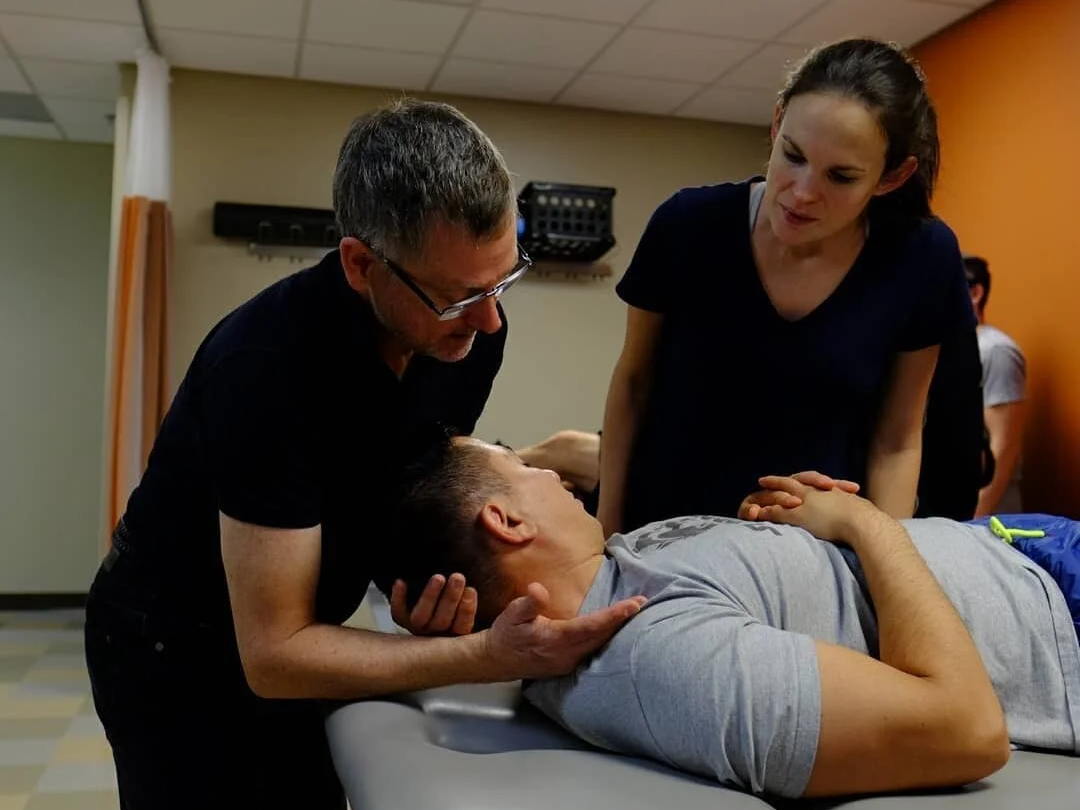
Much of the episode is a defense of in-person, hands-on learning at a moment when online CEU content dominates the market. Shacklock and the hosts talk candidly about why manual assessment and treatment skills for neurodynamics are difficult, arguably impossible, to build through video alone. Palpation, patient response, and the subtlety of technique are things you calibrate by doing them under supervision, not by watching a screen.
That doesn’t mean online learning has no place. Part of the conversation looks at how Neurodynamic Solutions (NDS) can be integrated with other movement-based systems clinicians may already be trained in, including DNS and the McGill approach, rather than treated as a competing framework.
The Future of Continuing Education
Shacklock and the hosts also talk shop about where PT continuing education is headed, and what separates a course that actually changes clinical practice from one that’s just a credential to check off. It’s a theme that runs through a lot of Jetset’s guest conversations this year: content is only as valuable as what a clinician can actually apply the following Monday.
Learn Neurodynamics Hands-On
If differentiating nerve pain from muscle pain has felt more like guesswork than a repeatable process, this is the episode to start with. Full conversation is up now on the Jetset Physical Therapy Podcast.
Jetset Physical Therapy has hybrid continuing education courses coming up — check the current schedule and course list to find where hands-on neurodynamics training fits into your 2027 planning.