
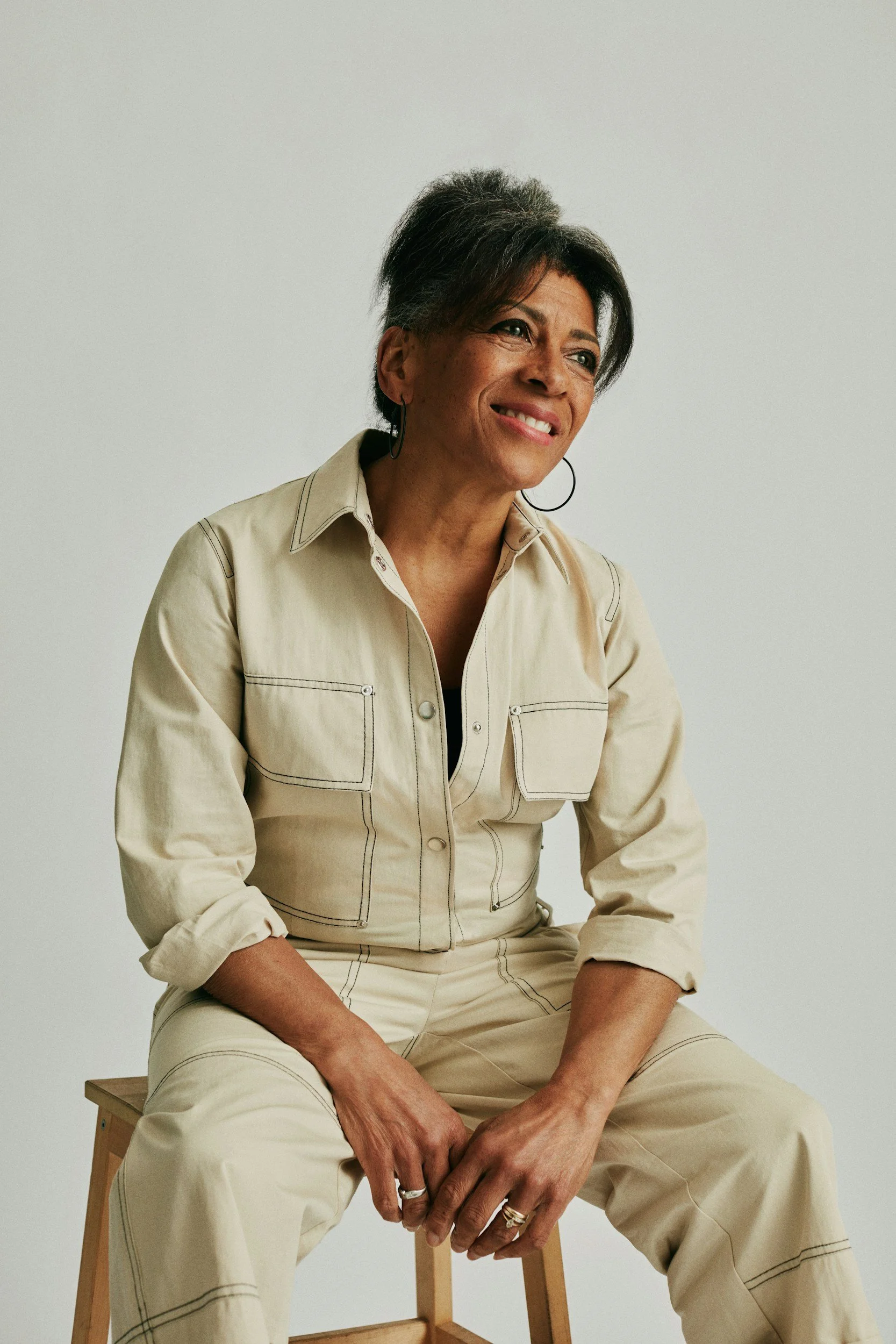
She's 50. Her shoulder has ached for four months, her knees are stiff in the morning, and her back "just isn't what it used to be." Her intake form says no injury, gradual onset. Your working diagnosis says age-related.
That label might be costing her.
A growing body of research suggests that for a lot of midlife women, the menopause transition itself is part of the musculoskeletal story. It's not the whole explanation and it's not a diagnosis, but it's a factor worth naming. If nobody in her care team is asking about it, there's a good chance that job falls to you.
What the newest meta-analysis actually found
The biggest piece of evidence so far is a 2026 systematic review and meta-analysis in JBJS Open Access. It pooled 37 observational studies from 22 countries, covering 93,021 women (1).
Prevalence of muscle or joint pain by menopausal stage:
- Premenopausal: 40% (95% CI 32–49%)
- Perimenopausal: 57% (95% CI 48–65%)
- Postmenopausal: 59% (95% CI 50–67%)
Compared with premenopausal women, perimenopausal women had a 35% higher risk of muscle or joint pain (RR 1.35, 95% CI 1.25–1.46). That works out to roughly 130 more women with pain per 1,000 (1). Postmenopausal women looked similar (RR 1.40; about 148 more per 1,000). Peri- and postmenopausal women did not differ significantly from each other (1).
Back pain followed the same pattern: 42% premenopausal, 57% perimenopausal and 59% postmenopausal (1).
The takeaway: the rise doesn't wait until after the final period. It shows up during perimenopause, which often starts in the early-to-mid 40s. Those are the patients most likely to be told it's "just age" or "just overuse."
Read it with the right amount of skepticism
Before you build a whole clinical philosophy on this, keep the caveats in view.
- It's observational. 35 of the 37 studies were cross-sectional (1), so this shows an association, not proof that menopause causes the pain.
- Heterogeneity was high. I² ran from roughly 86% to 95% in the main comparisons (1).
- Specific diagnoses were rarely reported. For frozen shoulder, only one included study had data. It found no significant difference in adhesive capsulitis between peri- and premenopausal women (35% vs 32%), though shoulder synovitis was more common in perimenopause (25.1% vs 6.2%) (1). Don't over-read a single study either way.
The authors' own conclusion is measured: women in the menopause transition "appear to be at increased risk" of muscle or joint pain, and higher-quality research is needed (1). That's the right tone for the clinic too.
There's a name for this now
In 2024, Wright and colleagues proposed the term "musculoskeletal syndrome of menopause." It's an umbrella label for the musculoskeletal changes linked to falling estrogen, including arthralgia, loss of muscle mass, loss of bone density and progression of osteoarthritis (2). Their goal is for clinicians to see these as one connected pattern rather than a string of unrelated complaints, and to assess risk and start prevention earlier (2).
They estimate that more than 70% of women will have musculoskeletal symptoms during the transition and that 25% will be disabled by them (2). Those figures are the authors' estimates, not new data. The 70% figure lines up with a 2020 meta-analysis that found a pooled 71% prevalence of musculoskeletal pain in perimenopausal women (14 studies; 95% CI 64–78%). Odds of pain were higher in perimenopause than premenopause (OR 1.63, 95% CI 1.35–1.96) (6). That number moved a lot depending on the questionnaire used, from 56% to 76%, and broad symptom checklists likely inflate it (6). The larger Kruse meta-analysis above puts perimenopausal prevalence at 57% (1). A fair summary is that somewhere between about 57% and 71% of perimenopausal women report MSK pain. Both meta-analyses are mostly cross-sectional, so they show an association, not cause.
How strong is each piece of the syndrome? Not equally strong:
Joint and muscle pain has solid observational support. Prevalence rises from premenopause to perimenopause in two separate meta-analyses (1, 6). The link to osteoarthritis progression is more speculative.
- Bone loss is the best-established piece. Declining estrogen and loss of bone density across the transition are core to the syndrome (2).
- Muscle loss is the weakest link. Sarcopenia can't yet be attributed to menopause itself, separate from aging, although muscle loss may speed up afterward (15).
Expect patients to start using the term in your clinic, since it's spreading in consumer media and showing up in rehab research. It's a proposed concept with no validated diagnostic criteria (2), so treat it as a useful framework, not a diagnosis.
What your patients say gets in the way
A 2026 qualitative study in Physiotherapy interviewed 12 women attending NHS physiotherapy for MSK pain while dealing with menopause-related symptoms (3).
The barriers they described (3):
- Fatigue
- Cognitive issues
- Low self-efficacy
- Negative language from healthcare professionals
What helped (3):
- A physiotherapist who asked directly about menopause
- Feeling listened to
What the participants recommended was individualized treatment strategies and education, to build rapport and engagement (3).
Many of these women weren't sure what was causing their symptoms and felt physiotherapists didn't fully meet their needs. The authors suggest physiotherapists may need specific training in menopause and MSK pain (3).
Keep it in proportion, though. This was 12 women from one UK orthopaedic hospital, some recruited through a staff menopause support group. The sample probably leans toward women who were already engaged and aware of menopause. It tells you what these patients experienced. It can't tell you how common each barrier is or whether any intervention works.
Does exercise help? Be precise about what we know
A 2026 systematic review and meta-analysis pooled 20 RCTs of exercise-based rehabilitation in postmenopausal women (4).
- Vasomotor symptoms: a large, consistent reduction (SMD −0.86, 95% CI −1.15 to −0.57; I² = 0.34%) (4).
- BMI, blood pressure and physical performance: none of the pooled effects were statistically significant, and heterogeneity was very high for BMI and physical performance (4).
- No pooled MSK results: the abstract reports nothing for bone density, strength, balance or pain, even though MSK health was one of the stated aims (4).
The authors conclude that exercise improves physical function and cardiovascular health. Their own pooled results don't show that, so don't repeat that claim.
Treat the hot flash finding with caution too, because it goes against most of the earlier evidence:
- A 2014 Cochrane review found insufficient evidence that exercise treats vasomotor symptoms. Exercise vs. no treatment: SMD −0.10 (95% CI −0.33 to 0.13; 3 RCTs, 454 women; low certainty). The two largest included trials were both null (7).
- A 2022 GRADE-rated meta-analysis of 21 RCTs (n=2,884) found a small effect on severity (SMD 0.25, very low certainty). That effect disappeared once high risk-of-bias trials were removed. It found no effect on how often hot flashes happen, and that result was rated high certainty (8).
- The Menopause Society's 2023 nonhormone position statement lists exercise as "not recommended" for vasomotor symptoms (Level II: limited or inconsistent evidence) (9). That grade applies to hot flashes only. It doesn't say exercise is ineffective for anything else.
Bottom line: one new meta-analysis says exercise helps hot flashes, and the larger body of evidence says it probably doesn't. Don't sell exercise to patients as a hot flash treatment.
Where exercise does have solid support in this group is the musculoskeletal side:
- Bone density: a 2023 meta-analysis of 80 studies (n=5,581) found small but significant BMD gains with exercise in postmenopausal women: total hip SMD 0.41, femoral neck 0.27, lumbar spine 0.29 (10). The hip result is the most reliable. The spine estimate may be inflated by small-study bias. The effect held whether women had normal BMD or osteopenia/osteoporosis (10). What kind of exercise matters: high-intensity resistance and impact training beat low- and moderate-intensity work (13), and supervised high-intensity training improved BMD in women with osteopenia without raising fracture risk (14). Walking alone won't do much for bone.
- Strength and fitness: a 2024 meta-analysis of 12 RCTs found resistance training improved upper- and lower-body strength and VO₂max in healthy postmenopausal women (11). Its reported effect sizes are implausibly large, so trust the direction, not the magnitude. A larger 2026 meta-analysis (126 studies, 4,019 women) gives a more realistic strength estimate, SMD 1.46, and found similar gains before and after menopause (12). The authors' suggested dose of 3 sessions a week for 60 minutes is a starting point, not an evidence-derived optimum (11).
That's the honest pitch: load because it builds bone and strength, not because it's a proven cure for menopausal joint pain or hot flashes.
What this looks like on Monday
None of this replaces your exam. It changes what you ask and how you frame things.
1. Ask. For female patients in their 40s and 50s with gradual-onset, multi-site or persistent MSK pain, ask about cycle changes, hot flashes and sleep. The women in Gross et al. specifically valued being asked (3).
2. Watch your words. Patients named negative language from healthcare professionals as a barrier (3). The study doesn't list specific phrases, but "wear and tear" and "that's just your age" are easy places to start. Try something like: "This is common during this stage of life, and it's very treatable."
3. Use the shoulder evidence you already trust, including the uncomfortable parts. A 2026 JAMA Internal Medicine review of atraumatic shoulder pain in primary care says most of it (an estimated 90–95%) is "subacromial pain." First-line care is education, activity modification, simple analgesia and watchful waiting (5). It recommends no early imaging without trauma or red flags, and it says high-certainty evidence shows subacromial decompression is no better than placebo surgery (5).
- The part PTs need to hear: the review is skeptical of supervised exercise. In one 708-patient RCT, a single physio session of best-practice advice and a home program did as well as a 6-session supervised program (5). Some meta-analyses are more favorable to exercise, but the takeaway is that what you teach in visit one matters a lot. Make that first session count.
- Frozen shoulder, which peaks in midlife: the review says it improves without treatment, though slowly. PT exercise and manual therapy may help residual stiffness once severe pain settles, and referral is worth considering if significant restriction persists beyond about 18 months (5).
- The review doesn't discuss menopause or sex hormones. Nothing in it suggests a different pathway for these patients, but that's my inference, not the paper's.
4. Plan around fatigue and confidence. Fatigue, cognitive issues and low self-efficacy were among the barriers women named, and they asked for individualized care and education (3). In practice, that might mean shorter sessions, written home programs and early wins. That part is my suggestion, not the study's.
5. Refer when the conversation goes beyond your scope. Questions about hormone therapy belong with her physician or a menopause specialist. Your role is to recognize the pattern and connect her to that care.
6. Keep loading, and load heavy enough. Resistance and impact exercise have the clearest evidence in this group, for bone density and strength (10, 11, 13, 14). Be honest that the evidence for hot flashes is mixed and the evidence for menopausal joint pain specifically is thin (4, 7–9).
The bottom line
Muscle and joint pain becomes more common during the menopause transition, and the rise starts in perimenopause, not after it (1). The evidence is observational and messy, but the signal is consistent. You're often the clinician who spends the most time with these patients. Asking one extra question and dropping "it's just age" from your vocabulary costs nothing, and it may be exactly what keeps her engaged in care.
References
1. Kruse C, McKechnie T, Dworsky-Fried J, Sardar A, Hacker G, Rattansi S, Fang E, Sprague S, Shea AK, Bhandari M. Musculoskeletal Manifestations of Perimenopause: A Systematic Review and Meta-Analysis of 93,021 Women. JBJS Open Access. 2026;11(1):e25.00254. [PubMed 41523660](https://pubmed.ncbi.nlm.nih.gov/41523660/) · [PMC full text](https://pmc.ncbi.nlm.nih.gov/articles/PMC12784006/).
2. Wright VJ, Schwartzman JD, Itinoche R, Wittstein J. The musculoskeletal syndrome of menopause. Climacteric. 2024;27(5):466–472. doi:10.1080/13697137.2024.2380363. [PubMed 39077777](https://pubmed.ncbi.nlm.nih.gov/39077777/).
3. Gross J, Stephens G, Soundy A. What Are the Barriers and Facilitators to Engagement With Physiotherapy Among Women Experiencing Adverse Effects Associated With Menopause? Physiotherapy. 2026;134:102379. Published online 2026 Sep 4. [PubMed 42945760](https://pubmed.ncbi.nlm.nih.gov/42945760/).
4. Verma A, Rishi P, Siwach P, Yadav B, Ray R. Rehabilitation Strategies in Post Menopausal Women: A Systematic Review and Meta-Analysis of Randomized Trials. Eur J Obstet Gynecol Reprod Biol. 2026;325:115278. Published online 2026 Jun 29. [PubMed 42401111](https://pubmed.ncbi.nlm.nih.gov/42401111/).
5. Haas R, Ibounig T, Buchbinder R. Management of Shoulder Pain in Primary Care: A Review. JAMA Intern Med. 2026 Oct 1;186(10):1256–1268. [PubMed 42606850](https://pubmed.ncbi.nlm.nih.gov/42606850/).
6. Lu CB, Liu PF, Zhou YS, Meng FC, Qiao TY, Yang XJ, et al. Musculoskeletal Pain during the Menopausal Transition: A Systematic Review and Meta-Analysis. Neural Plast. 2020;2020:8842110. doi:10.1155/2020/8842110. [PubMed 33299396](https://pubmed.ncbi.nlm.nih.gov/33299396/) · [PMC full text](https://pmc.ncbi.nlm.nih.gov/articles/PMC7710408/).
7. Daley A, Stokes-Lampard H, Thomas A, MacArthur C. Exercise for vasomotor menopausal symptoms. Cochrane Database Syst Rev. 2014;(11):CD006108. doi:10.1002/14651858.CD006108.pub4.
8. Liu T, Chen S, Mielke GI, McCarthy AL, Bailey TG. Effects of Exercise on Vasomotor Symptoms in Menopausal Women: A Systematic Review and Meta-Analysis. Climacteric. 2022 Dec. [PubMed 35904028](https://pubmed.ncbi.nlm.nih.gov/35904028/).
9. The North American Menopause Society. The 2023 nonhormone therapy position statement of The North American Menopause Society. Menopause. 2023;30(6):573–590. doi:10.1097/GME.0000000000002200. [PubMed 37252752](https://pubmed.ncbi.nlm.nih.gov/37252752/).
10. Mohebbi R, Shojaa M, Kohl M, et al. Exercise training and bone mineral density in postmenopausal women: an updated systematic review and meta-analysis of intervention studies with emphasis on potential moderators. Osteoporos Int. 2023. doi:10.1007/s00198-023-06682-1. [PubMed 36749350](https://pubmed.ncbi.nlm.nih.gov/36749350/).
11. González-Gálvez N, Moreno-Torres JM, Vaquero-Cristóbal R. Resistance Training Effects on Healthy Postmenopausal Women: A Systematic Review With Meta-Analysis. Climacteric. 2024;27(3):296–304. doi:10.1080/13697137.2024.2310521. [PubMed 38353251](https://pubmed.ncbi.nlm.nih.gov/38353251/).
12. Isenmann E, Geisler S, Havers T, Siegert F, Hemke F, Held S. It's never too late: The impact of resistance training on strength and body composition in females across the lifespan. A systematic review and meta-analysis. J Sci Med Sport. 2026;29(10):1174–1185. doi:10.1016/j.jsams.2026.03.002.
13. Kistler-Fischbacher M, Weeks BK, Beck BR. The effect of exercise intensity on bone in postmenopausal women (part 2): A meta-analysis. Bone. 2021;143:115697. doi:10.1016/j.bone.2020.115697.
14. Watson SL, Weeks BK, Weis LJ, Harding AT, Horan SA, Beck BR. High-Intensity Resistance and Impact Training Improves Bone Mineral Density and Physical Function in Postmenopausal Women With Osteopenia and Osteoporosis: The LIFTMOR Randomized Controlled Trial. J Bone Miner Res. 2018;33(2):211–220. doi:10.1002/jbmr.3284. [PubMed 28975661](https://pubmed.ncbi.nlm.nih.gov/28975661/).
15. Monteleone P, Mascagni G, Giannini A, Genazzani AR, Simoncini T. Symptoms of menopause: global prevalence, physiology and implications. Nat Rev Endocrinol. 2018;14:199–215. doi:10.1038/nrendo.2017.180.