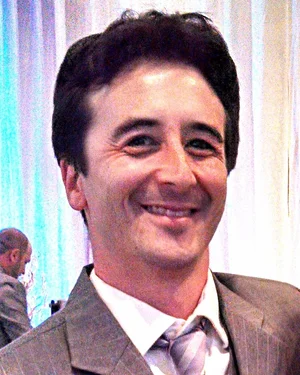
Clare Frank, Physical Therapist & Dody Chang, Acupuncturist
Jetset Live from Phuket: We sat down for an unprecedented, interdisciplinary roundtable in Thailand with Dr. Clare Frank (DPT) and Dr. Dody Chang (DACM, LAc) to unpack the physiological bridges, structural overlaps, and collaborative future of physical therapy and advanced acupuncture.
Want to experience immersive, collaborative clinical learning at an incredible destination? Explore our upcoming global course calendar—[HERE].
Key Clinical & Interdisciplinary Takeaways:
Meridians vs. Intramuscular Septa: Modern orthopedic acupuncture has mapped ancient meridian pathways straight to contemporary peripheral nerve courses [14:55]. High-level signaling and neural stimulation occur precisely within the fascial planes and intramuscular septa separating muscle groups [15:03].
Neuromuscular Re-Activation (Gluteal Inhibition Example): When a patient presents with inhibited gluteal firing, structural acupuncture can target the superior gluteal nerve pathway to trigger an involuntary muscular contraction [11:35]. This immediate peripheral signal maps directly back up to the central nervous system (CNS), resetting the motor control loop far faster than isolated exercise alone [11:57], [12:08].
The Neuro-Myofascial Intersection: Traditional Chinese Medicine’s Jingjin (channel sinews) shares a profound physiological overlap with Tom Myers' Anatomy Trains myofascial meridians [16:47]. Both paradigms recognize that isolated muscles do not move joints independently; the driving force is always coordinated systemic movement driven by the brain [17:34], [18:18].
The Art of Palpation as Brain Communication: True clinical healing requires moving past Googleable knowledge and honing the subtle, directional art of touch [20:54]. Skilled manual palpation acts as a direct line of mechanical communication with the patient’s central nervous system [18:45].
Acupuncture in Developmental Positions: A revolutionary frontier discussed by the panel is executing structural needling while positioning the patient inside dynamic developmental kinesiology positions (rather than standard static prone or supine alignment) to lock in motor control and neuro-stability [49:20], [49:54].
The Abundance Mindset in Patient Care: Clinicians must dismantle protectionist barriers or elitist "gatekeeping" regarding client management [36:00], [41:45]. True interdisciplinary care—where a physical therapist prepares the neuromuscular stability loop and an acupuncturist addresses local tissue down-regulation and inflammation—gets patients pain-free exponentially faster [22:52], [37:33].
Evolving Lifelong Mastery: Quoting the legendary physical therapist Dr. Vladimír Janda: "The day you stop learning is the day you die." [53:33]. Elite practitioners must remain secure enough to acknowledge what they don't know, keeping their clinical reasoning constantly curious and adaptable [03:44], [52:04].---