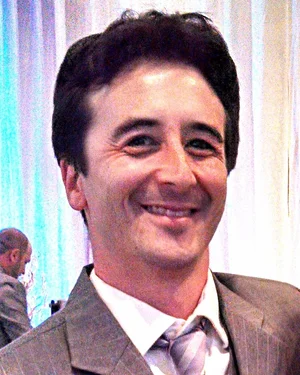
5 pathways to burnout according to Duncan So
We had a great discussion with Duncan So, the founder of the Burnout Recovery Accelerator. This is part 1 of our blog on Burnout. In this article we explore 5 common pathways on how one gets burnt out, the next article will focus more on solutions.
Take a listen to our podcast if you haven’t yet!
5 common pathways to Burnout for Healthcare workers
Path #1: Values Misalignment in Healthcare
One of the most overlooked causes of healthcare burnout happens when your personal values clash with your clinic's business model.
You may still maintain a high productivity rate. Your patient outcomes might look good on paper. But internally, something feels deeply wrong.
Many physical therapists enter the profession to provide high-quality, patient-centered care. Instead, they find themselves spending more time on defensive documentation and fighting insurance companies than treating patients. When corporate profits consistently override patient welfare, emotional exhaustion sets in. Often the workload is easily managed but the burnout occurs when the vision of the employer differs from the Healthcare worker.
Signs of values-based PT burnout:
Feeling disconnected from patient care despite clinical success.
Growing cynicism toward clinic ownership or leadership.
A persistent feeling that your ethical standards are compromised.
Fantasizing about leaving the physical therapy profession entirely or leaving your job to work elsewhere.
No amount of vacation time can resolve a problem rooted in structural misalignment!

Jetset hats available in our merch shop! click the photo to get there.
Path #2: Lack of Clinical Autonomy and Control
Humans possess a fundamental need for autonomy. When physical therapists lose control over their schedules, treatment protocols, and billing practices, burnout quickly follows.
This path is incredibly common among staff therapists and clinic managers. You are expected to produce exceptional clinical results without having the authority to change the broken systems affecting those results.
You know exactly what your patients need to succeed. Yet, corporate metrics or rigid templates block you from implementing your knowledge. Research shows that perceived control is a premier predictor of workplace well-being. When you feel trapped, even a light caseload becomes heavy.
Questions to ask yourself:
Do I have meaningful influence over my daily schedule?
Can I make independent clinical decisions based on evidence-based practice?
Do I feel trusted by my leadership to do my job?
If your answer is consistently no, your exhaustion is likely rooted in a lack of professional autonomy.
Path #3: Chronic Overload and High Productivity Demands
This is the classic path most people envision. Double-booked schedules. Endless point-of-service documentation. High productivity requirements. Zero time for physical recovery.
The human nervous system can handle short-term clinical stress remarkably well. However, PT burnout develops when stress becomes chronic and your body never exits the fight-or-flight response. Think of the financial analogy: If you are consistently spending more than you are making, you will eventually go into bankruptcy. Bankruptcy is analogous to burnout.
Common physical symptoms:
Chronic fatigue and sleep disruption.
Brain fog during complex clinical decision-making.
Irritability with patients or coworkers.
Increased clinical mistakes or documentation errors.
High-achieving PTs or healthcare workers often respond by grinding harder. They promise themselves things will calm down after the next hiring cycle or evaluation surge. Unfortunately, burnout responds to current clinical conditions, not future promises.

Catered food at our Con Ed course in Portland, OR.
Path #4: Clinical Isolation and Lack of Connection
Burnout is rarely just an individual issue; it is often a systemic relationship issue. Physical therapists spend their entire day pouring empathy and emotional energy into others, often receiving very little support in return.
With the rise of back-to-back scheduling and isolated home health settings, meaningful professional connection has plummeted.
Warning signs of isolation burnout:
Feeling completely disconnected from your clinic team.
Experiencing emotional numbness or compassion fatigue.
Withdrawing from peer mentorship and professional communities.
Reduced empathy toward your patients.
Peer support acts as a proven buffer against chronic clinical stress. When peer connection disappears, burnout accelerates.
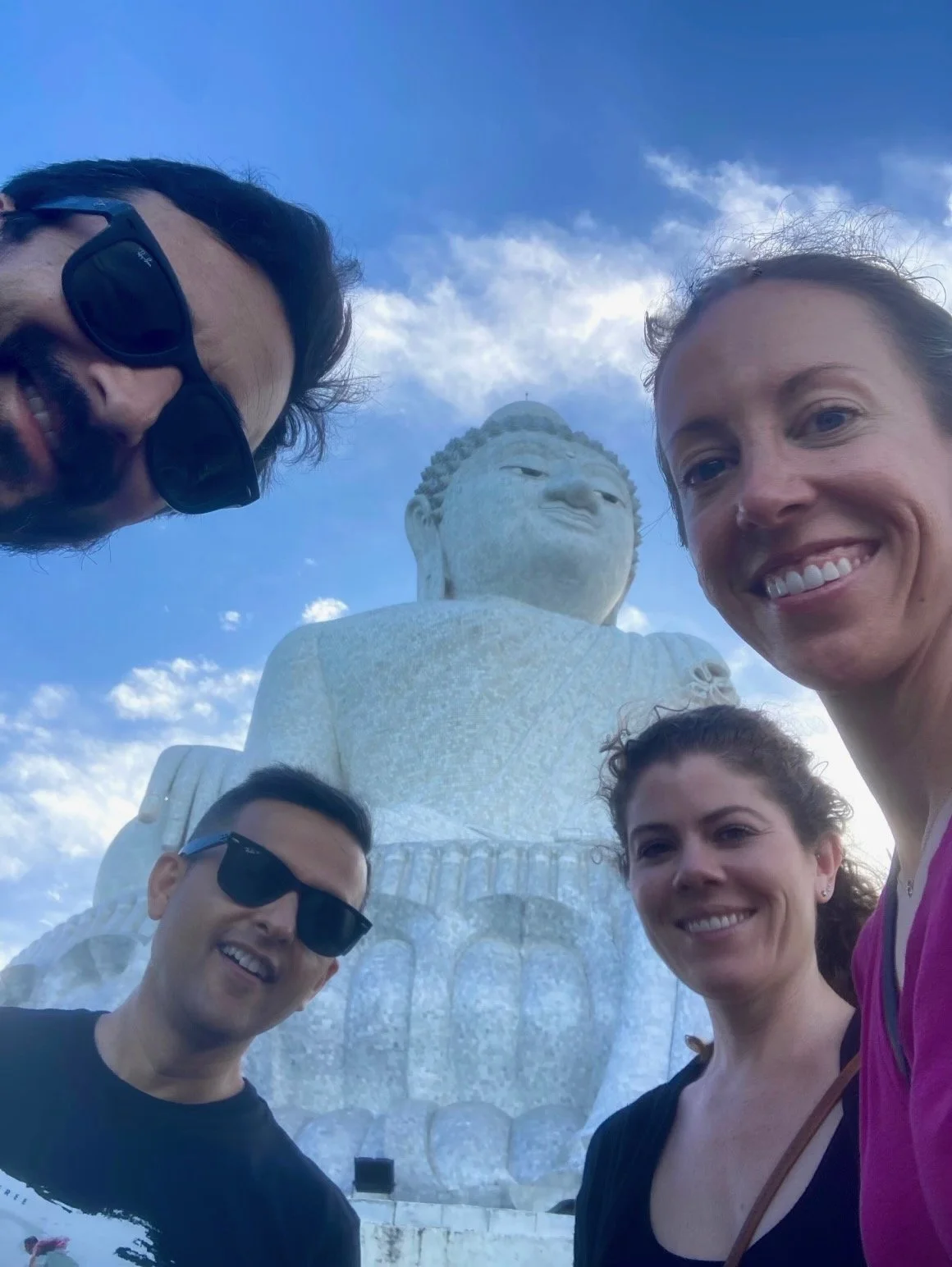
site seeing after class is over in Phuket, Thailand.
Path #5: Identity Tied Solely to Productivity
Many high-performing physical therapists tie their personal self-worth directly to their clinical output. Your internal narrative may sound like this: "I am a great therapist because my schedule is full, my patients like me, and my productivity is at 90%."
While this mindset drives initial career success, it is entirely unsustainable.
When self-worth depends entirely on performance, rest feels lazy. Setting clinical boundaries feels selfish. Taking time for professional development feels like a distraction.
This pattern creates "high-functioning burnout." Outwardly, you look like a successful, thriving clinician. Inwardly, you are experiencing profound depletion. Recovery requires decoupling your human value from your daily clinical productivity.
The Path Forward: Change Your Environment, Reclaim Your Career
Burnout is not a personal or professional failure. It is vital data. It is your body signaling that your current career trajectory requires immediate intervention.
Are you experiencing a misalignment of values? A lack of clinical control? Chronic overload? Professional isolation? Or an identity built entirely around your caseload?
The first step toward recovery isn't pushing harder—it is changing your environment and getting curious.
Heal Burnout with Purposeful Learning
You cannot heal clinical burnout in the exact same environment that created it. To truly reset your nervous system and expand your clinical skills, you need a complete change of scenery.
Investing in physical therapist CEUs shouldn't feel like another chore on your to-do list. It should be an opportunity to rest, connect, and re-inspire your practice.
Whether you want to learn from the comfort of home or earn your credits while relaxing at a beautiful beachside resort, we have a learning path for you. Break the cycle of exhaustion, earn your mandatory credits, and return to your clinic deeply refreshed.
If you are unable to get the time or money to change scenery, make sure to read our next blog on the 4 levers to reduce the risk of burnout.